Pharmacy
How Long Does Typhoid Fever Last? Everything You Need To Know
Olubola Adepoju
•
Reviewed by
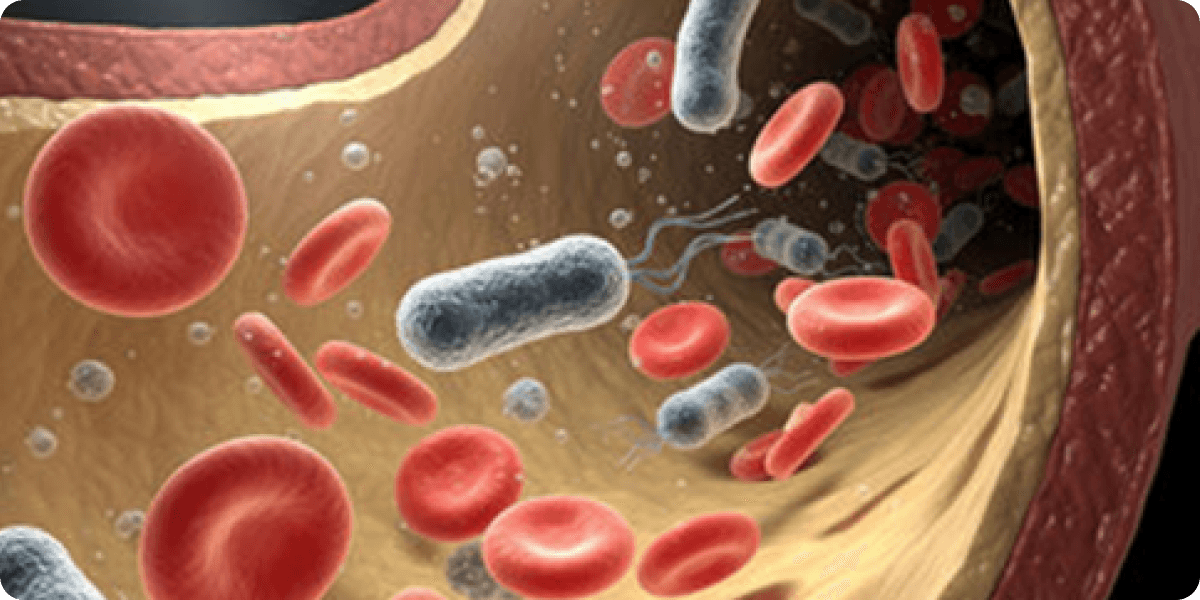
Have you ever experienced a stubborn fever that just would not go away, accompanied by stomach pain and weakness that left you bedridden? If you are wondering whether it could be typhoid fever and how long you will have to endure it, you are not alone. Thousands of people search for answers about typhoid fever every day, especially in Nigeria where this illness is common.
Typhoid fever is more than just a regular fever, it is a serious bacterial infection that requires proper attention and treatment. The good news is that with the right care, most people recover completely. Let us dive into everything you need to know about typhoid fever, including the most pressing question: how long does it actually last?
What Causes Typhoid Fever?
Typhoid fever is caused by a bacterium called Salmonella typhi. Unlike the common cold or flu that spreads through the air, typhoid spreads through contaminated food and water.
Someone who is infected with the bacteria (or even a carrier who shows no symptoms) can contaminate water sources and food after handling them. When you consume that contaminated food or water, the bacteria enter your digestive system and eventually make their way into your bloodstream.
Common transmission routes include drinking contaminated water or ice, eating food washed with contaminated water, consuming raw vegetables grown with contaminated water, eating food handled by carriers with poor hand hygiene, and using contaminated toilets before touching your mouth.
Typhoid is particularly common in areas with poor sanitation and limited access to clean water, especially in South Asia, Africa, and South America. [1]
Recognizing the Symptoms [2]
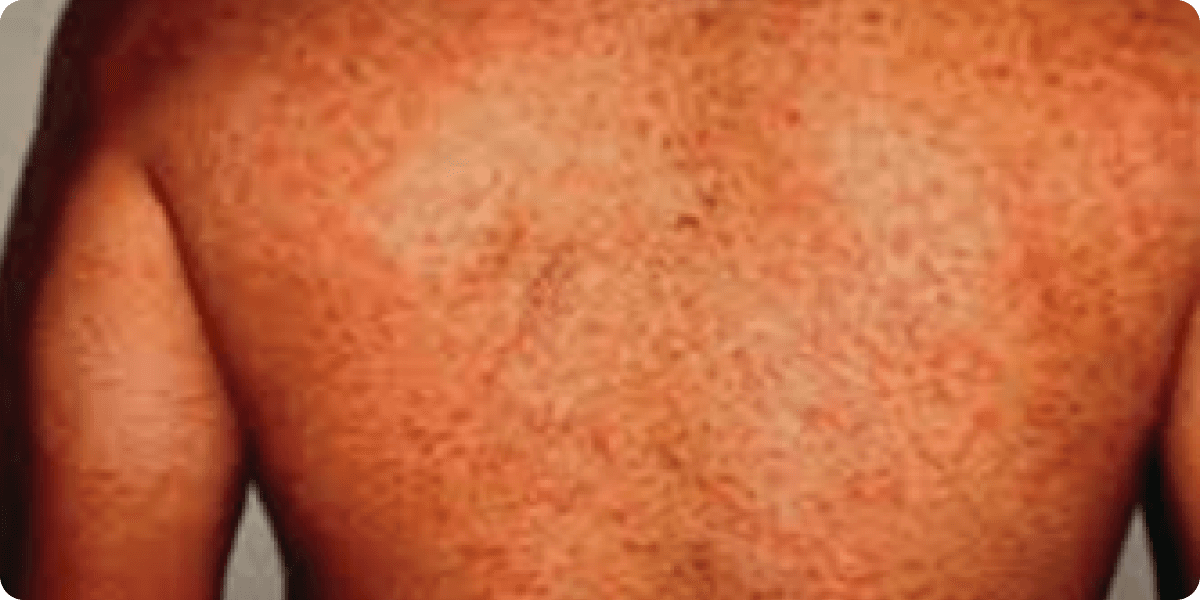
Typhoid fever doesn't hit you all at once, it develops gradually over one to three weeks after exposure.
In the first week:
Fever that starts low and increases daily, often reaching 104°F (40°C) or higher
Persistent headache
Weakness and fatigue that makes simple tasks exhausting
Muscle aches throughout your body
Loss of appetite
As the illness progresses into weeks two and three without treatment:
Very high fever that stays consistently elevated
Stomach pain and discomfort
Diarrhea or constipation (it can be either!)
A rash of flat, rose-colored spots on your chest and abdomen
Extreme fatigue
Confusion or disorientation in severe cases
Some people also experience a coated, whitish tongue, and your abdomen might feel swollen or tender to touch.
The Widal test has long been used to diagnose typhoid fever for a very long time, but medical experts increasingly question its reliability. Cross-reactions with other infections often produce false positives, making it easy to misdiagnose and mistreat patients.
More accurate alternatives now exist. A blood culturetaken within the first week of fever remains the gold standard, directly identifying Salmonella typhiin the bloodstream. The Typhidot testand Tubex TF testdetect specific antibodies with greater sensitivity and faster results. For resource-limited settings, the enteric fever PCR testoffers impressive precision.
Accurate diagnosis saves lives. Always request the most reliable test available in the medical laboratories you visit.
How Long Does Typhoid Fever Last Without Treatment?
Without proper treatment, typhoid fever typically lasts about three to four weeks, but this is extremely dangerous and should never be attempted.
Week 1: Fever gradually increases, you feel increasingly tired, and appetite disappears.
Weeks 2-3: Fever remains dangerously high, you become severely weak, and serious complications can develop. Your body is fighting a losing battle.
Week 4: If you've survived without treatment, fever might start decreasing gradually, but you'll remain extremely weak for weeks afterward.
The mortality rate for untreated typhoid fever ranges from 10-30%. Even survivors face high risk of serious complications like intestinal bleeding or perforation. About 10% also experience a relapse, the illness returns after initially improving.
Never try to "wait out" typhoid fever. It requires medical treatment.
How Long Does Typhoid Fever Last With Treatment?
Here is where the story gets much better. With appropriate antibiotic treatment, typhoid fever typically improves dramatically within 2-3 days, and most people recover completely within 7-10 days.
Potential Complications to Watch For
While most people recover fully with proper treatment, typhoid fever can cause serious complications, especially if treatment is delayed.
Intestinal bleeding and perforation: The most serious complication. Bacteria can create holes in your intestinal wall, causing life-threatening bleeding. Warning signs include severe abdominal pain, black or bloody stools, or sudden symptom worsening.
Other complications include:
Inflammation of the heart (myocarditis or endocarditis)
Kidney or bladder infections
Pneumonia and breathing difficulties
Mental confusion or delirium with very high fevers
Chronic carrier state (3-5% of people continue carrying bacteria after recovery)
The risk is highest in young children, older adults, and those with weakened immune systems, another critical reason why prompt treatment matters.
How A Pharmacist Can Help
Pharmacists are medication experts and accessible healthcare professionals who support your recovery in important ways:
Medication guidance: Ensuring you understand exactly how to take antibiotics: timing, food requirements, and what to do if you miss a dose.
Managing side effects: Recommending strategies to minimize antibiotic side effects and advising when to call your doctor.
Symptom relief: Suggesting appropriate pain relievers and rehydration solutions while antibiotics fight the infection.
Monitoring interactions: Checking that typhoid antibiotics won't cause dangerous interactions with other medications.
Prevention education: Counseling on hygiene practices, safe food and water consumption, V
vaccination options, lifestyle modification that can help reduce the risk of contacting typhoid fever.
Follow-up support: Providing easily accessible consultations as questions arise during recovery.
Having a pharmacist as part of your healthcare team provides an extra layer of support that can make your recovery smoother and safer.
Conclusion
Typhoid fever is a serious bacterial infection that shouldn't be taken lightly, but with prompt treatment, most people recover completely within 7-10 days. Without treatment, however, the illness can drag on for three to four weeks and potentially become life-threatening.
Remember, you don't have to navigate health concerns alone. Ready to have a healthcare expert in your pocket? Download the FlologPharma app today and get instant access to qualified pharmacists who can answer your health questions, help you understand symptoms, interpret lab tests, and guide you on medications, all from the comfort of your home. Whether you're concerned about typhoid fever or any other health issue, professional help is just a tap away. Don't wait until symptoms worsen, get the support you need, when you need it.
Other Articles



Subscribe to our newsletter
Get updates, health tips, and pharmacy insights straight to your inbox.