Pharmacy
Sleep and Mental Health: The Connection We Don't Talk About Enough
Olubola Adepoju
•
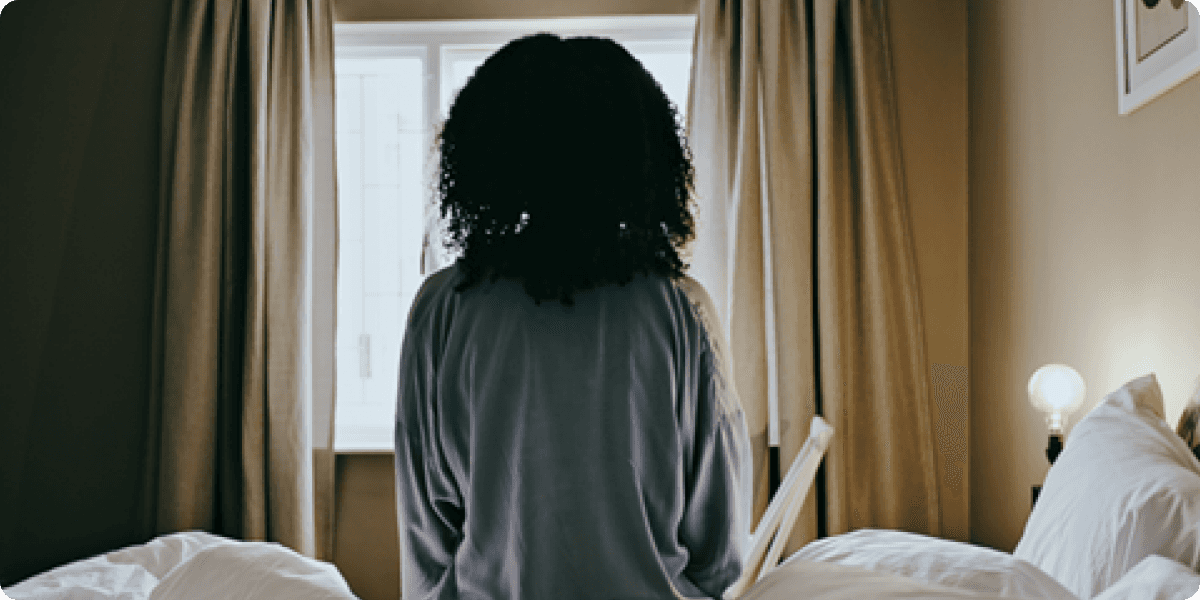
You have probably been told to "get more sleep"more times than you can count. But what most people don't fully grasp is just how deeply sleep shapes the way you feel, cope, and function — mentally and emotionally, every single day.
Sleep and anxiety
There is a bidirectional relationship between sleep and anxiety: anxiety makes it harder to sleep, and poor sleep makes anxiety significantly worse. When you are sleep-deprived, the brain's amygdala — the region responsible for processing fear and threat — becomes up to 60% more reactive. This means your stress responses are amplified, minor worries feel catastrophic, and your ability to think rationally is compromised. For people already managing anxiety, even one or two nights of poor rest can trigger a notable spike in symptoms.
Sleep and depression
Insomnia is one of the most common symptoms of depression, but research now shows it can also be a cause. Disrupted sleep alters the balance of neurotransmitters — particularly serotonin and dopamine — that regulate mood, motivation, and pleasure. People who consistently sleep fewer than six hours a night are significantly more likely to develop depressive episodes. The emotional flatness, irritability, and hopelessness often associated with depression are, in part, a consequence of a brain that has not had adequate time to recover and reset overnight.
How rest regulates emotions
During deep sleep, specifically REM (Rapid Eye Movement) sleep, the brain actively processes emotional memories and strips them of their emotional charge. Think of it as an overnight emotional detox. Without sufficient REM sleep, unresolved emotional experiences accumulate, leaving you more reactive, less resilient, and less equipped to handle interpersonal stress. Quality sleep literally rewires your emotional regulation systems — it is not a luxury; it is maintenance.
The stress–sleep cycle
Stress and poor sleep form a self-reinforcing loop that is genuinely difficult to escape without intentional effort. When you are stressed, your body releases cortisol — a hormone that signals alertness and keeps the brain activated. Elevated cortisol at night delays sleep onset, reduces deep sleep, and causes more frequent nighttime wake-ups. The resulting fatigue then makes it harder to manage daily stressor, which raises cortisol further. Left unaddressed, this cycle can become chronic — a pattern where exhaustion and anxiety feed each other indefinitely.
Tips for improving sleep during stressful seasons
Breaking the cycle starts with small, consistent habits. Anchor your night with a fixed bedtime and wake-up time — even on weekends — to stabilize your body's internal clock. Dim your screens an hour before bed, as blue light suppresses melatonin production. A simple bedtime journal where you offload your thoughts and worries can reduce the mental noise that keeps many people awake. Keep your sleeping environment cool, dark, and quiet. Avoid caffeine after 2 PM. And if racing thoughts are a frequent problem, a short guided breathing or body-scan exercise can shift your nervous system from "on" to "off" more reliably than scrolling ever will.
Most importantly, take your sleep seriously — not as an inconvenience to be minimized, but as the mental health strategy it truly is.
Other Articles


Subscribe to our newsletter
Get updates, health tips, and pharmacy insights straight to your inbox.