Pharmacy
Lassa Fever in Nigeria: Why Awareness Can Save Lives
Olubola Adepoju
•
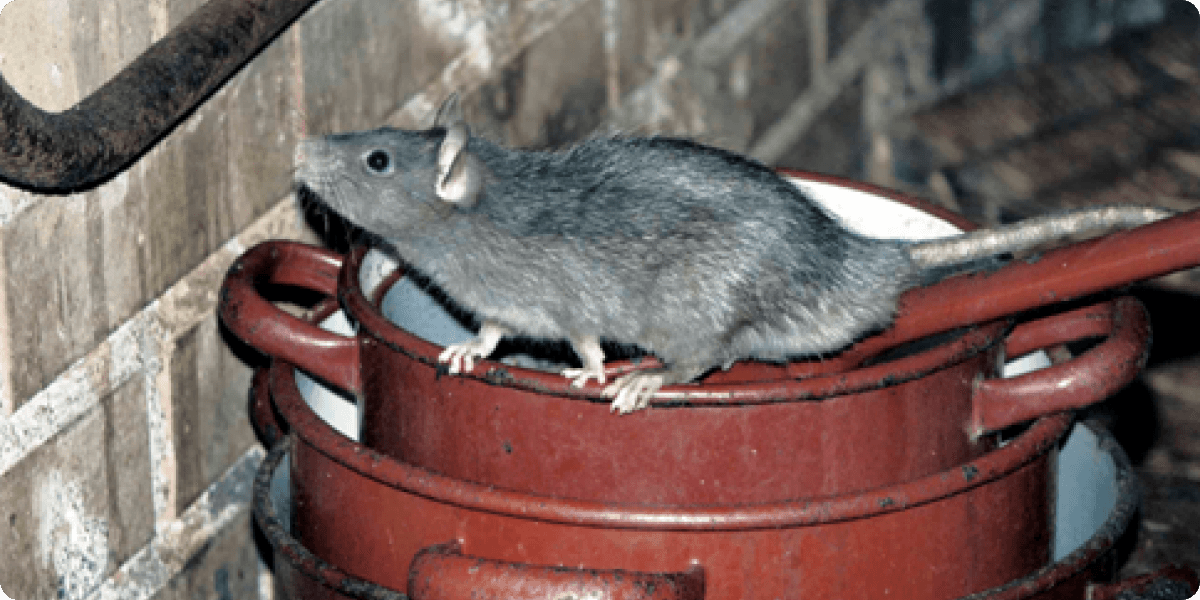
Every year, as the dry season sets in across Nigeria, a silent threat resurfaces — one that many communities still do not talk about enough. Lassa fever is preventable, but only if people know what to look for and what to do.
Seasonal outbreaks and why they happen
Lassa fever is caused by the Lassa virus, transmitted primarily through contact with food or household items contaminated by infected multimammate rats. Outbreaks tend to peak between November and May — the dry season — when these rodents migrate closer to human settlements and food stores in search of water and grain. Warm, arid conditions shrink natural habitats, pushing rats indoors and increasing human exposure.
The Nigeria Centre for Disease Control (NCDC) records hundreds of confirmed cases annually, with the North-Central and South-South geopolitical zones consistently reporting the highest numbers.
Communities most affected
Rural and semi-urban communities bear the greatest burden of Lassa fever. States like Ondo, Edo, Bauchi, and Taraba record the highest case loads, largely because of poor sanitation infrastructure, open food storage, and limited access to healthcare. Agricultural workers, market traders, and households without proper waste management are especially vulnerable.
Signs and symptoms
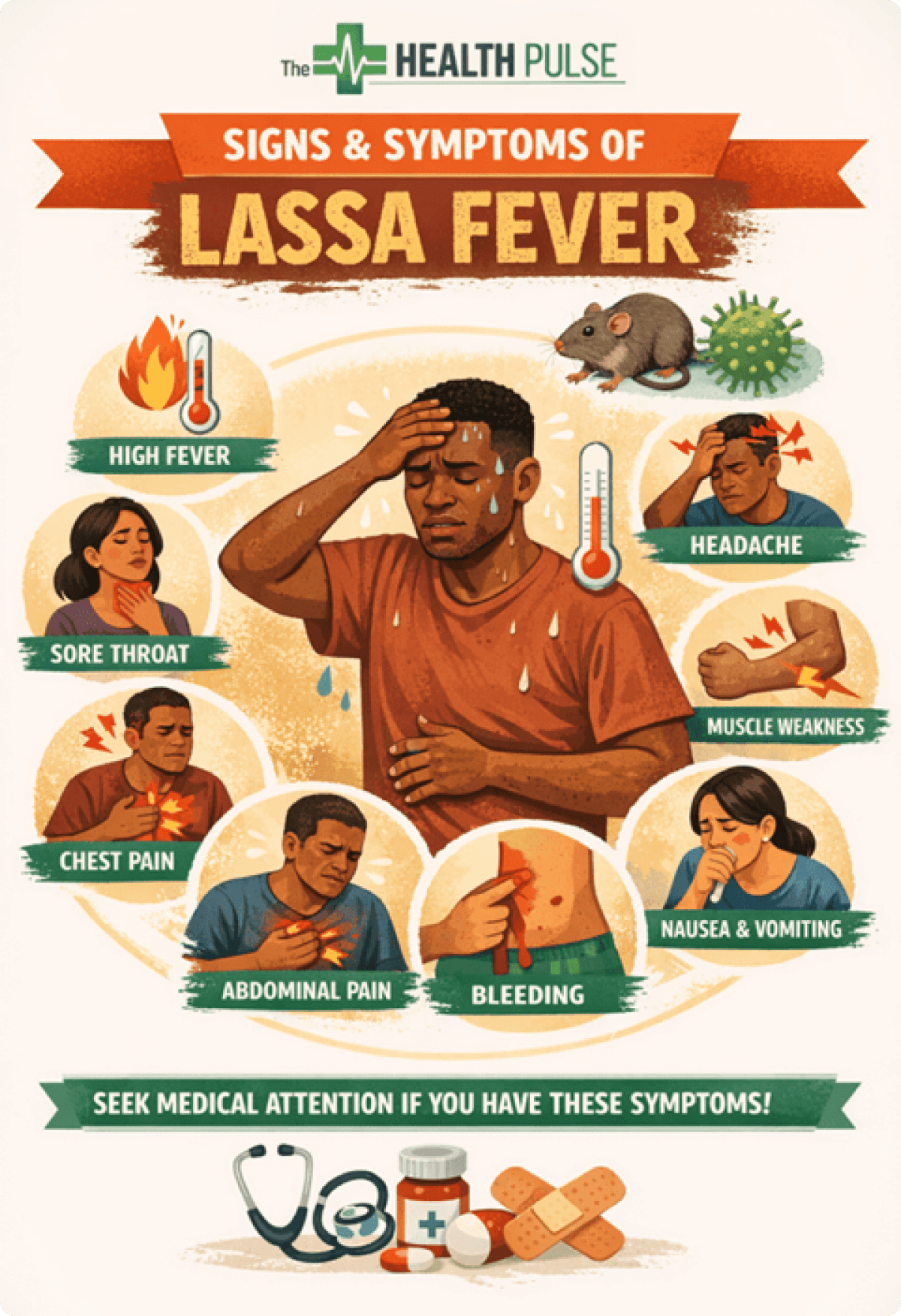
Lassa fever begins gradually, making it easy to mistake for other common illnesses like malaria or typhoid. Early symptoms include fever, headache, general weakness, and sore throat. As the illness progresses, it may present with chest pain, vomiting, diarrhea, facial swelling, and in severe cases, bleeding from the gums, nose, or eyes. About 20% of infected individuals develop severe disease, which can be fatal without prompt treatment.
If you or someone around you has been exposed to rodents and develops these symptoms, seek medical care immediately — do not wait.
How to protect yourself
Store food in sealed, rodent-proof containers
Keep your home and surroundings clean
Avoid contact with rodents or their droppings
Wash hands thoroughly and regularly
Report suspected cases to health authorities
Seek care early — do not self-medicate
The importance of public health awareness
The single most powerful tool against Lassa fever is knowledge. Many Nigerians still present to health facilities at advanced stages of the disease because they did not recognize early warning signs or did not know that prompt treatment significantly improves outcomes. When communities understand the disease — how it spreads, what it looks like, and where to get help — infections are caught earlier, chains of transmission are broken, and lives are saved.
Public health awareness also reduces stigma. Families should not fear reporting illness; instead, they should feel empowered to act quickly and without shame.
The role of early reporting
Time is a critical factor in Lassa fever outcomes. The antiviral drug Ribavirin is most effective when administered within the first six days of illness. Early reporting to local government health authorities, primary healthcare centres, or the NCDC helps ensure patients receive the right treatment faster, prevents healthcare workers from unknowing exposure, and enables authorities to investigate and contain potential outbreaks before they escalate.
How individuals can contribute to prevention
Prevention does not require expensive interventions. Simple, consistent habits make an enormous difference. Seal food in rodent-proof containers, dispose of household waste properly, and avoid leaving food out overnight. Clear bushes and debris around your home, which can serve as rodent habitats. Educate your family — including children — about safe hygiene practices. And if you notice a neighbour or community member with suspicious symptoms, encourage them to seek care without delay. Collective vigilance is Nigeria's strongest defence
Other Articles



Subscribe to our newsletter
Get updates, health tips, and pharmacy insights straight to your inbox.